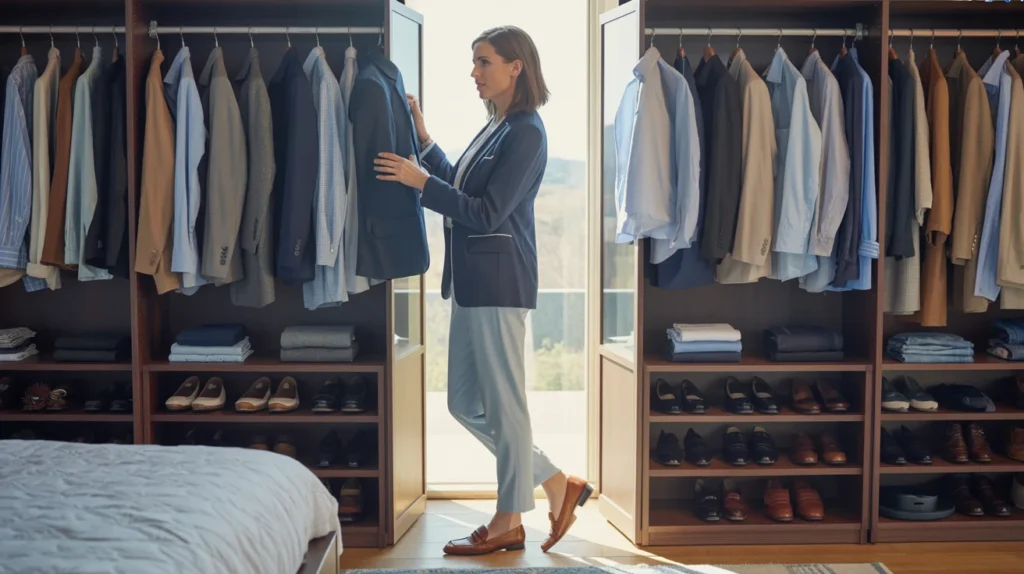
Your blazer might be judging you (and that’s okay)
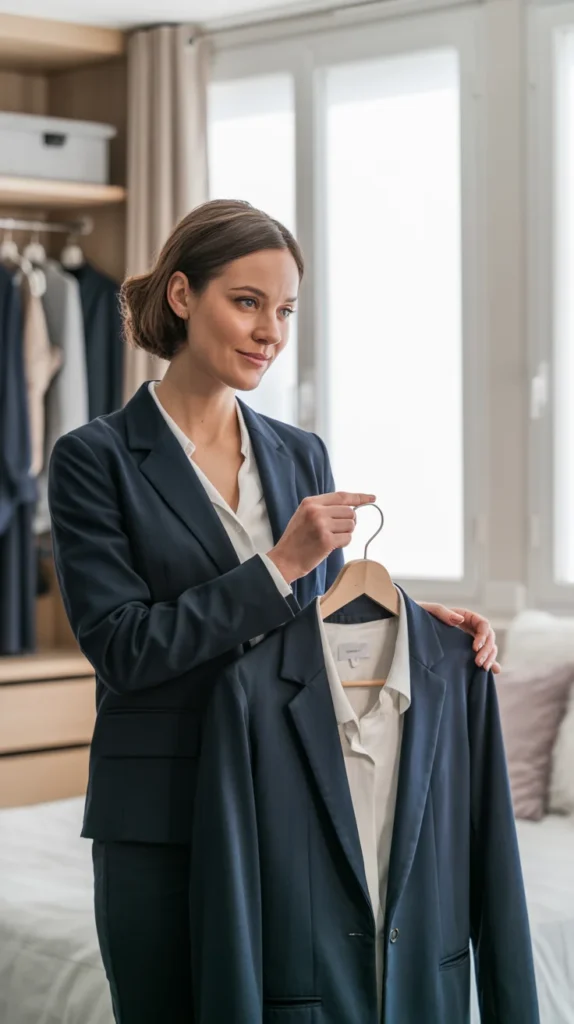
I once hopped on a video call to help a friend prep for her interview—only to realize mid-sentence that I was still wearing my coffee-stained hoodie from the morning. 😅
That quick moment of “wait, what am I wearing?” got me thinking about how much outfit stress weighs on candidates before big interviews.
If you’ve ever stood in front of your closet feeling completely stuck, you’re not alone.
This guide delivers seven effortless job interview outfit for women ideas that work across industries—from corporate boardrooms to creative studios.
You’ll find practical combinations, budget-friendly swaps, smart styling tips, and confidence-boosting strategies you can pull together in under twenty minutes.
7 Effortless Job Interview Outfit for Women Ideas
Finding the right interview outfits women love means balancing professionalism with personal style. These seven combinations cover everything from traditional corporate settings to laid-back startup vibes.
1. The Classic Blazer and Tailored Trousers
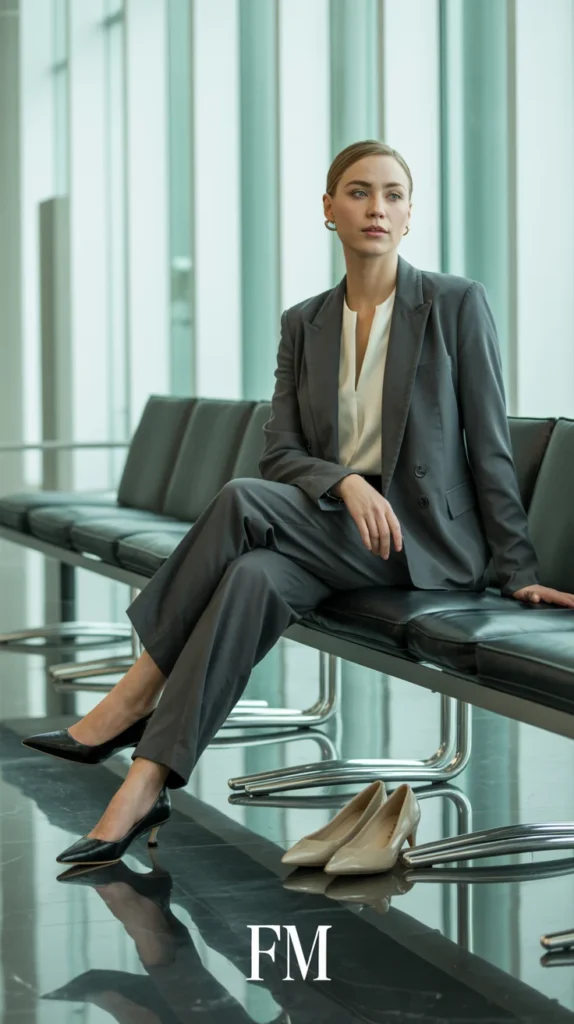
This combination never fails for corporate roles in finance, law, consulting, or executive positions. A well fitted blazer instantly elevates any outfit and signals you mean business.
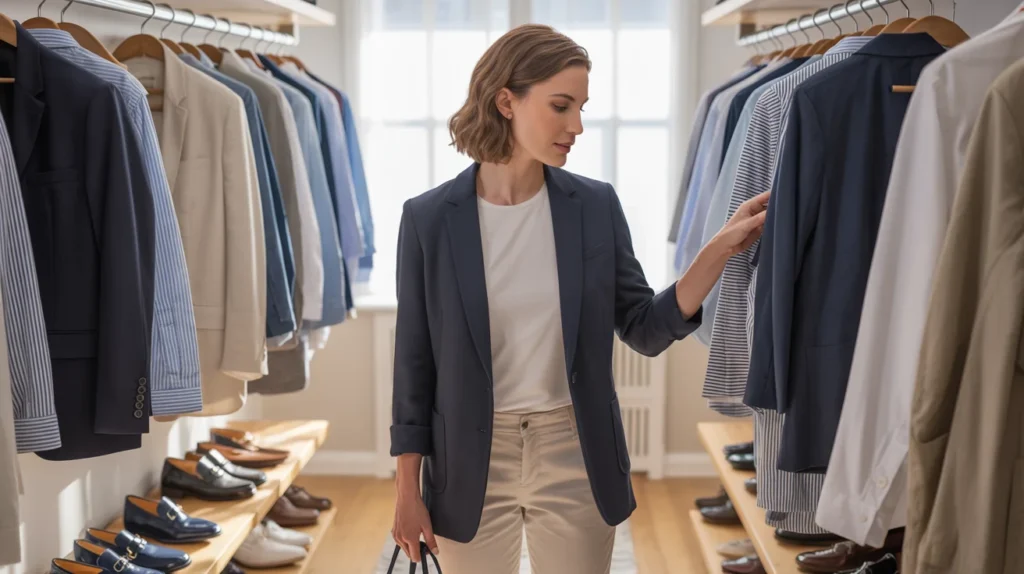
Pair a structured navy or charcoal blazer with matching or coordinating tailored trousers. Keep your blouse simple—a crisp white button-down or a solid-colored silk top works perfectly.
For footwear, closed-toe pumps in black or nude elongate your frame and keep the look polished. If heels aren’t your thing, pointed-toe flats look equally professional.
Quick takeaway: Invest in getting your blazer tailored if it doesn’t fit perfectly off the rack. The difference is noticeable—trust me on this one.
2. The Sophisticated Sheath Dress
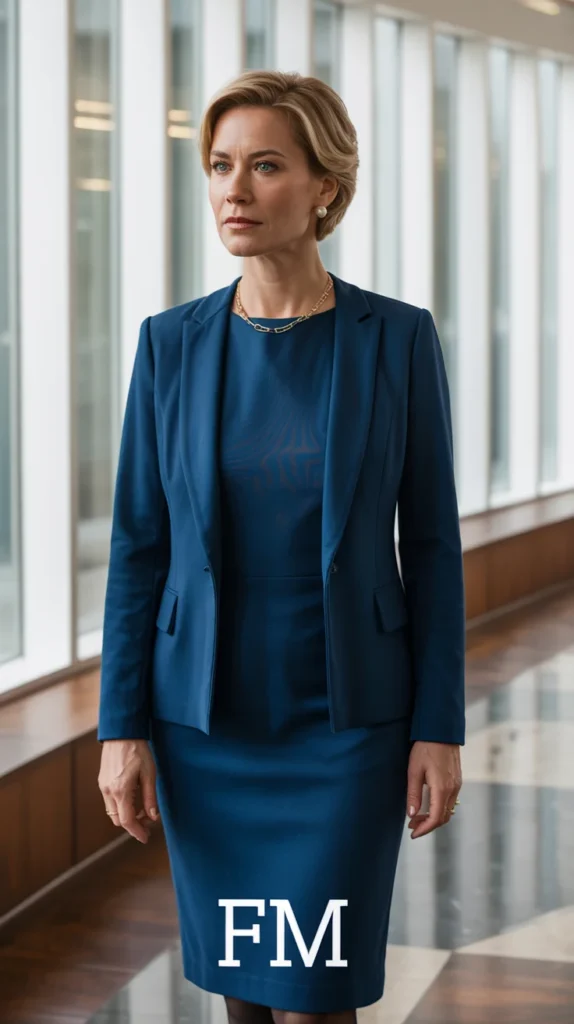
A knee-length sheath dress offers a put-together look with minimal effort. It’s essentially a one-piece solution that removes the stress of matching separates.
Stick to solid colors—black, navy, burgundy, or forest green all photograph well and translate across industries. The fitted silhouette looks polished without being too tight or uncomfortable.
Layer with a cardigan or structured jacket for more conservative settings. Add simple stud earrings and a delicate necklace to complete the look without overdoing accessories.
This works especially well for roles in healthcare administration, education leadership, or nonprofit management. You look professional but approachable—exactly the vibe those industries appreciate.
3. The Modern Business Casual Mix
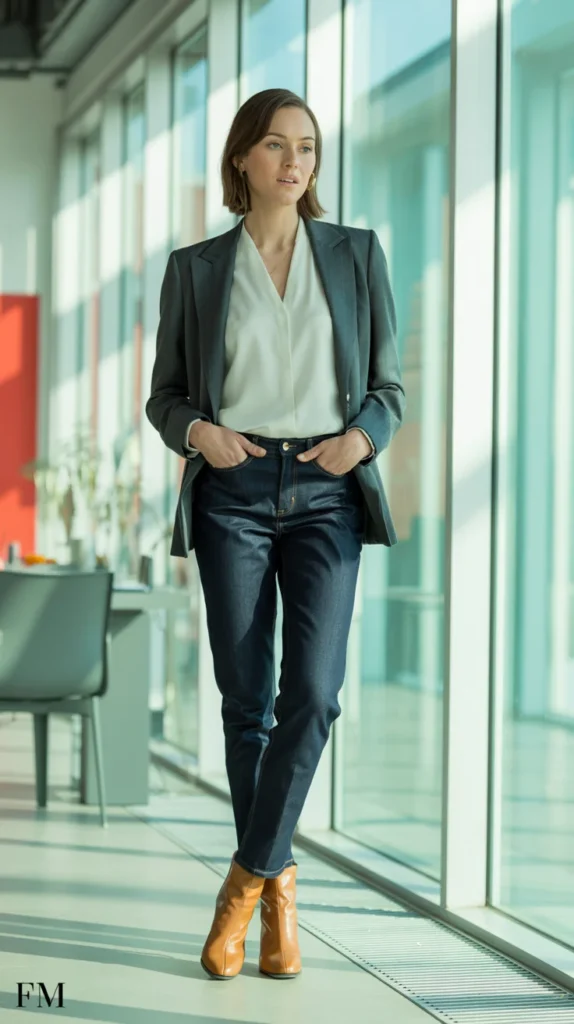
Many companies these days fall somewhere between formal corporate and super casual. This outfit hits that middle ground perfectly for tech companies, marketing agencies, or creative-adjacent roles.
Start with well-fitted dark jeans—yes, jeans can work for interviews. Make sure they’re clean, free of rips, and a darker wash like indigo or black.
Pair with a polished blouse tucked in and a structured blazer on top. The blazer transforms casual jeans into interview-appropriate attire instantly. 😊
Finish with ankle boots or loafers in leather or suede. This look says “I understand professional norms but I’m also adaptable and modern.”
Pro tip: When in doubt about whether jeans are appropriate, swap for ankle-length dress pants. Better to be slightly overdressed than underdressed.
4. The Skirt and Blouse Combination
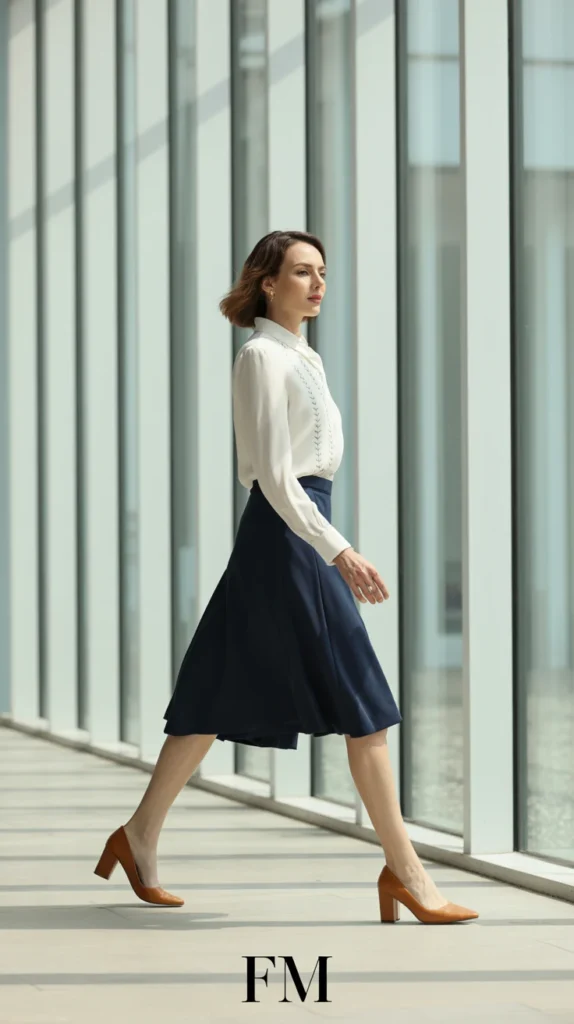
A pencil skirt or A-line skirt matched with a tucked-in blouse creates a feminine, professional silhouette. This works beautifully for interviews in retail management, hospitality, public relations, or customer-facing roles.
Select a skirt that hits at or just below the knee for the most universally appropriate length. High-waisted styles often provide a more flattering fit and smoother tuck.
Your blouse can show more personality here—try a subtle pattern, interesting neckline, or textured fabric. Just avoid anything too revealing or distracting.
Block heels or wedges offer stability if you’re walking long distances through an office campus. Stores like Nordstrom Rack often carry professional heels around $45-65 that hold up well over time.
5. The Jumpsuit Power Move
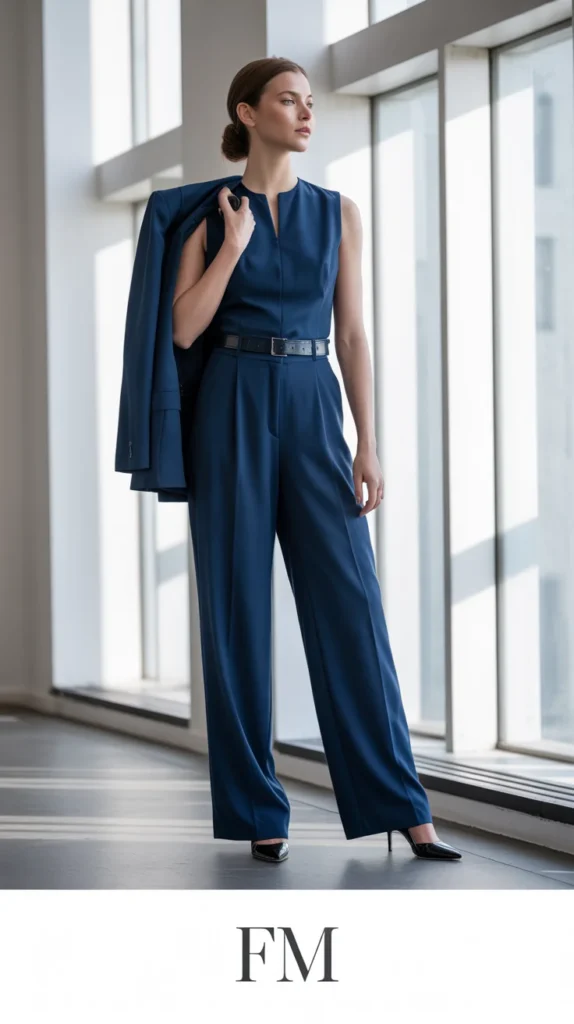
Jumpsuits have officially entered the professional wardrobe, and honestly, they’re kind of genius. One piece, done—no matching required.
Choose a tailored jumpsuit in a solid, dark color with a modest neckline. Wide-leg styles look more formal than slim-fit versions and move gracefully as you walk.
Belt it at the waist to enhance definition & structure. Layer a blazer over top if the office skews conservative or you’re interviewing somewhere traditional.
This outfit works particularly well for creative industries, media companies, or startups where innovation and personal style are valued. It shows you think outside the box while still respecting professional norms.
Try this: Before your interview day, do a trial run of sitting, standing, and walking in your jumpsuit. Some styles ride up or create awkward bunching—better to discover that at home.
6. The Polished Sweater Approach
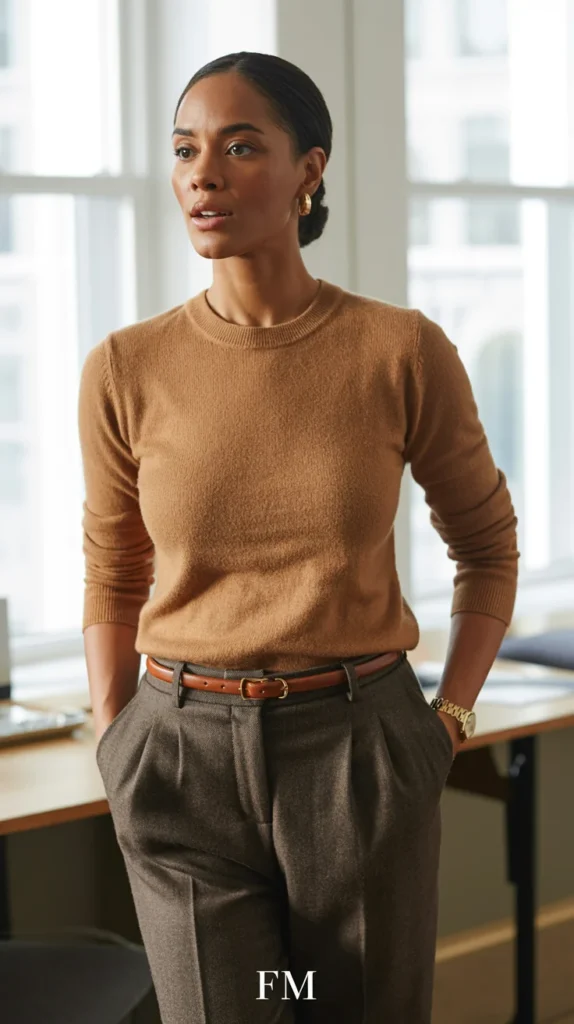
When fall rolls around & temperatures drop, a refined sweater can anchor your entire interview wardrobe. This cozy-meets-professional approach works for more casual workplace cultures.
A fitted cashmere or merino wool sweater in camel, cream, or soft gray looks expensive without trying too hard. Pair with tailored wool trousers or a midi skirt for balanced proportions.
Tuck the sweater neatly and add a thin leather belt for polish. Keep jewelry minimal—small earrings, a simple watch, maybe a thin bracelet stack.
This outfit reads especially well for interviews at established companies in the Midwest or Northeast during cooler months. It’s practical, seasonally appropriate, and quietly confident. 🍂
7. The Statement Piece Strategy
Sometimes one bold piece can define your entire outfit while keeping everything else simple. This approach lets your personality shine without overwhelming the room.
Choose one statement element—a structured colorful blazer, architectural earrings, or standout shoes. Then build the rest of your outfit around it in neutrals.
For example: a cobalt blue blazer over a white blouse and black trousers. Or simple black sheath dress with bold geometric earrings. The key is balance.
This works beautifully for creative roles in advertising, design, fashion, or entertainment where visual expression matters. It shows you understand both restraint and impact.
Quick takeaway: Your statement piece should still be workplace-appropriate. Bold doesn’t mean distracting or controversial.
Why Your Interview Outfit Actually Matters More Than You Think
First impressions happen fast—like, seven seconds fast. That’s barely enough time to say hello and shake hands.
Hiring managers form opinions before you even answer the first question. Your outfit sends signals about attention to detail, professionalism, and cultural fit.
Here’s the thing though: dressing well for an interview isn’t about looking expensive or following rigid rules. It’s about removing distractions so your skills and personality can shine through.
When you feel good in what you’re wearing, you sit taller, speak clearer, and project confidence naturally. That’s the real goal here.
Pro tip: Always research the company dress code beforehand. Check their social media, team photos, or simply ask the recruiter what employees typically wear.
What Are the Biggest Interview Outfit Mistakes to Avoid?
Even with great outfit ideas, small missteps can undermine your polished appearance. Here’s what to watch out for based on common patterns I’ve observed across professional settings.
Ignoring fit issues tops the list. Clothes that are too tight restrict movement & create visible strain. Clothes that are too loose look sloppy and unintentional.
Every body is different, so don’t assume your regular size works across all brands. Try everything on and move around before committing.
Overdoing accessories distracts from your qualifications. Jangling bracelets, oversized earrings, or too many rings pull attention away from your face and words.
Wearing brand-new shoes without breaking them in first leads to pain, blisters, and visible discomfort. Your facial expressions during an interview matter—wincing isn’t a great look.
Forgetting about grooming details happens more than you’d think. Chipped nail polish, wrinkled fabric, or visible lint signals you didn’t prepare carefully.
Sound familiar? We’ve all made at least one of these mistakes at some point. The goal is catching them before interview day, not during. 😅
How Do You Build Interview Wardrobe Essentials That Last?
Building a reliable collection of cute office job outfits doesn’t require spending thousands. Strategic investments in quality basics outperform a closet full of trendy pieces every time.
Start with these foundation items: one well-fitted blazer in navy or black, two pairs of tailored trousers in neutral colors, three versatile blouses you can mix and match, and one dress that works alone or with layers.
Quality over quantity applies here. A blazer from J.Crew Factory around $89 that fits perfectly beats a designer piece that pulls across the shoulders.
The outfit equation that works: Quality Basics + Proper Fit + Minimal Accessories = Effortless Professional Style
Replace items when they show wear—pilling, fading, or stretched elastic makes even nice clothes look worn. Think of your interview wardrobe as a small but mighty capsule collection.
Stores with good return policies help when you’re unsure about fit or color. Nordstrom, Target, and most department stores let you try things at home and return what doesn’t work.
What Should You Wear for Virtual Interview Settings?
Remote interviews changed everything about interview wardrobe essentials. Your outfit now competes with lighting, camera angles, and background distractions.
Solid colors photograph better than patterns on camera. Avoid stripes, small prints, or anything with a logo—they can create visual distortion or flickering on screen.
Necklines matter more in video frames since that’s primarily what shows. V-necks and crew necks both work well. Avoid high necklines that blend with your chin or very low cuts that look unprofessional in close-up.
Pro tip: Actually get fully dressed for video interviews, including pants and shoes. It sounds silly, but it changes how you sit, your posture, and your mental state. You feel more prepared when you’re completely put together.
Test your outfit on camera before interview day. Some colors wash out, others make you glow. Jewel tones like emerald, sapphire blue, and burgundy usually translate beautifully.
How Do You Adapt Your Outfit for Different Industries?
Industry expectations vary wildly, and the smartest candidates adjust accordingly. Here’s a quick framework for matching your look to workplace culture.
Traditional corporate (banking, law, consulting): Stick with classic suits, conservative colors, minimal accessories, and closed-toe shoes. Better to be slightly formal than too casual.
Business casual (tech, marketing, established startups): Blazers with nice jeans, polished separates, or modern dresses work well. Some personality is welcome but keep it subtle.
Creative fields (design, advertising, media): This is where statement pieces shine. Show personal style while maintaining professionalism. Interesting textures, bolder colors, and unique accessories are appropriate.
Casual startups (early-stage tech, gaming, digital companies): Clean, put-together casual works—nice jeans, polished sneakers, simple tops. Avoid looking like you just rolled out of bed.
Try this: Look up the company on LinkedIn and scan employee photos. Their outfits tell you exactly what’s expected better than any dress code guide. 🔍
Final Thoughts on Nailing Your Interview Look
Finding the right job interview outfit for women doesn’t need to cause stress or drain your bank account. The seven ideas covered here offer flexibility across industries, body types, and personal styles.
Remember the core principles: fit matters most, comfort builds confidence, and company culture should guide your choices. When those elements align, you walk into interviews feeling like yourself—just the polished, prepared version.
Your clothes should never distract from your qualifications. They should quietly support the impression you want to make and then fade into the background while you shine.
Start building your interview wardrobe essentials now, before you need them urgently. Having go-to options ready removes last-minute panic and lets you focus on what actually matters—landing the role.