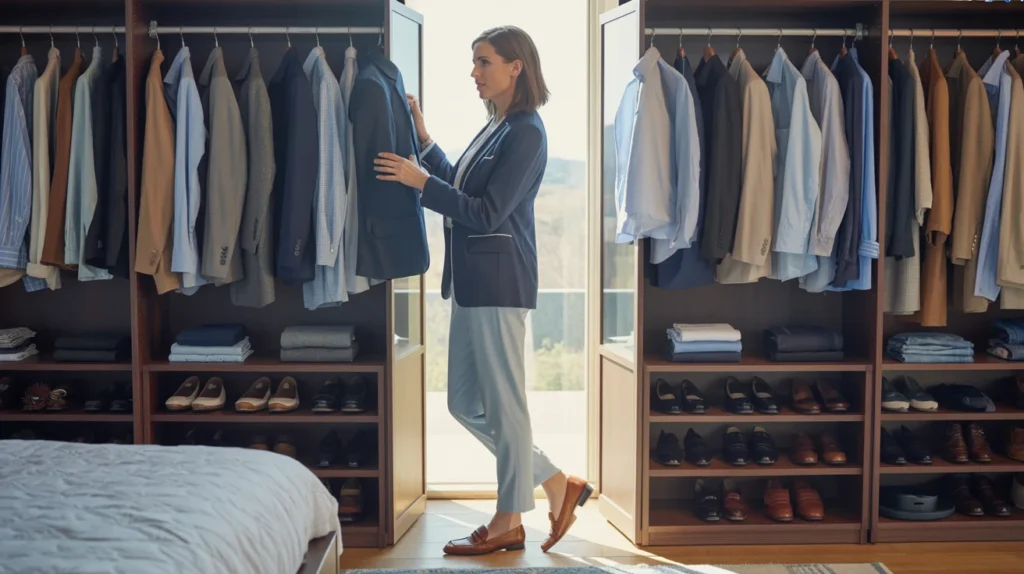
Why Your Outfit Might Be Your Secret Weapon
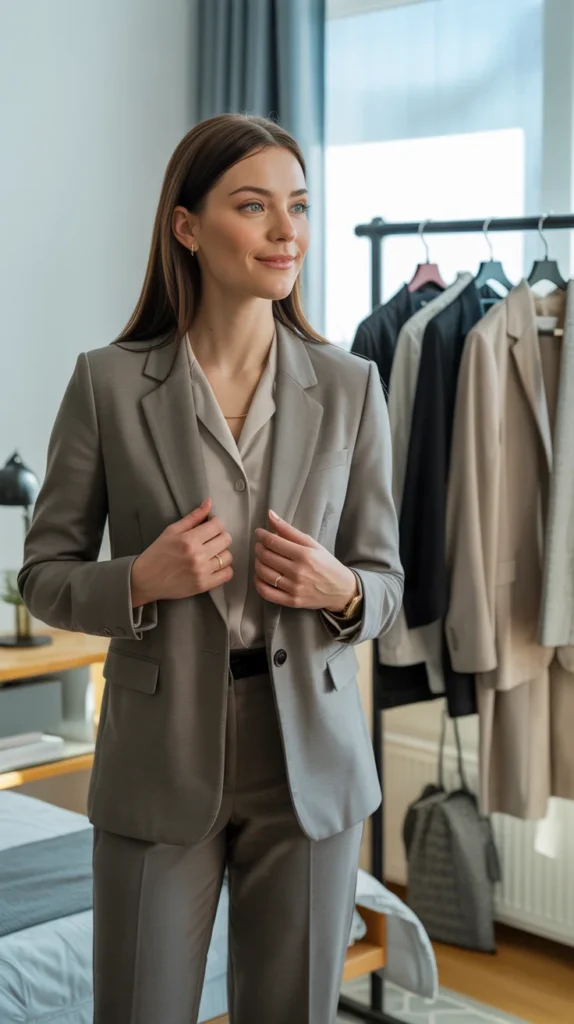
I once spent 20 minutes on a video call helping my sister frantically decide between two blazers before her big interview—only to realize her camera angle made neither visible.
That moment taught me something important about interview prep stress.
If you’ve ever stared at your closet the night before an important meeting, wondering what screams “hire me” without actually screaming, you’re definitely not alone.
This guide breaks down seven easy job interview outfit for women options that balance professionalism with personal style—no fashion degree required.
You’ll find practical wardrobe combinations, budget-friendly alternatives, industry-specific swaps, and quick styling tips you can pull together in under 15 minutes.
Whether you’re preparing for spring hiring season or a last-minute opportunity, these looks have you covered.
7 Easy Job Interview Outfits for Women You’ll Love
Here’s where the practical magic happens. Each of these combinations is designed to be approachable, adaptable, and genuinely wearable for real interview situations.
1. The Classic Blazer and Trouser Combo
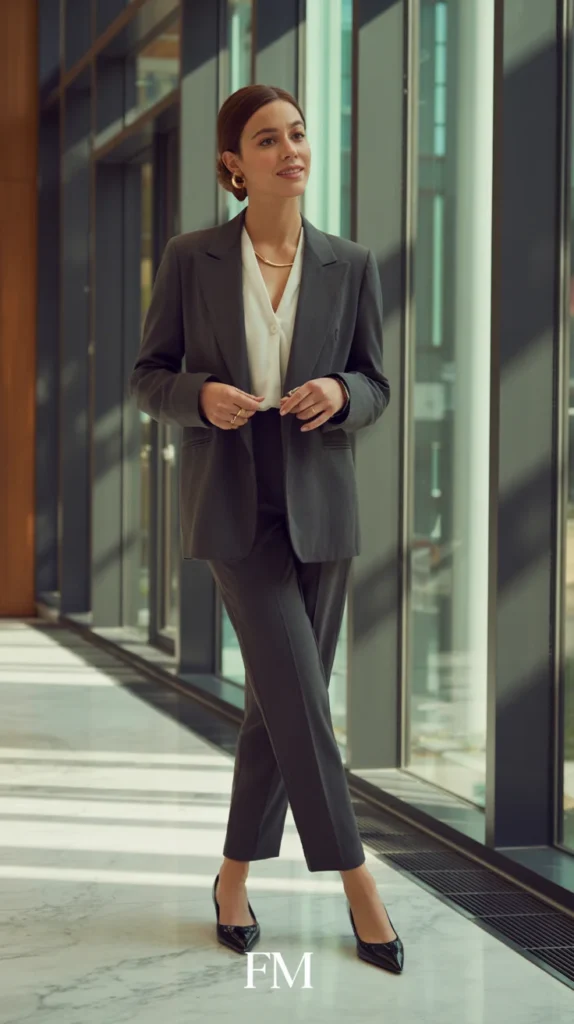
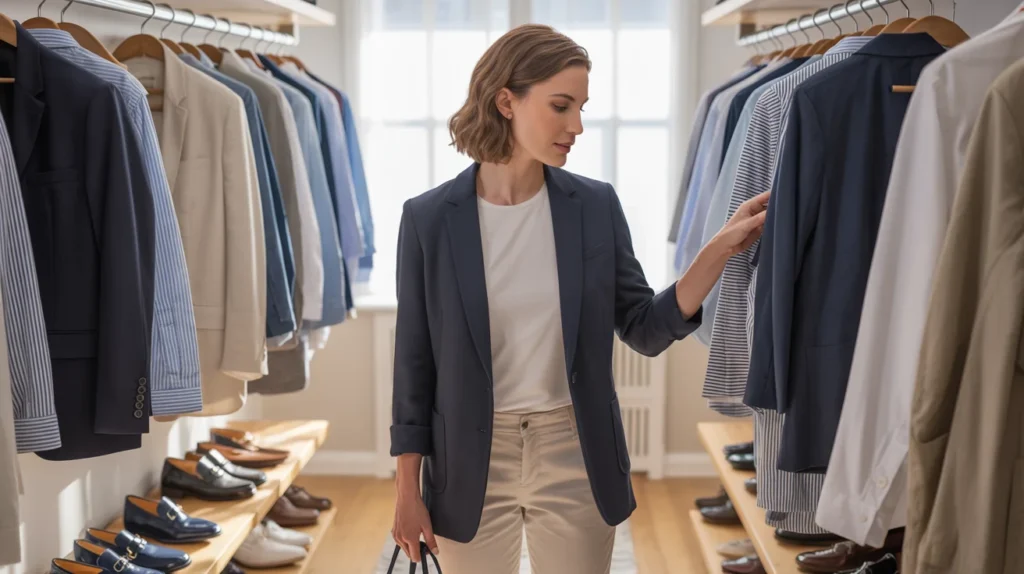
This is the outfit equivalent of a firm handshake—professional, polished, and universally respected. A well-fitted blazer paired with tailored trousers works for everything from banking interviews to senior management positions.
The formula: Structured blazer + ankle-length trousers + simple blouse + closed-toe flats or low heels.
Navy and charcoal gray are your safest bets here. They photograph well on video calls and don’t show every piece of lint from your morning commute.
Pro tip: Check that your trouser hem hits right at your ankle bone when standing. Too long looks sloppy; too short reads as casual.
For a quality blazer that won’t empty your wallet, Banana Republic Factory often has structured options in the $60-80 range that hold up surprisingly well through multiple interviews and beyond.
2. The Sophisticated Sheath Dress
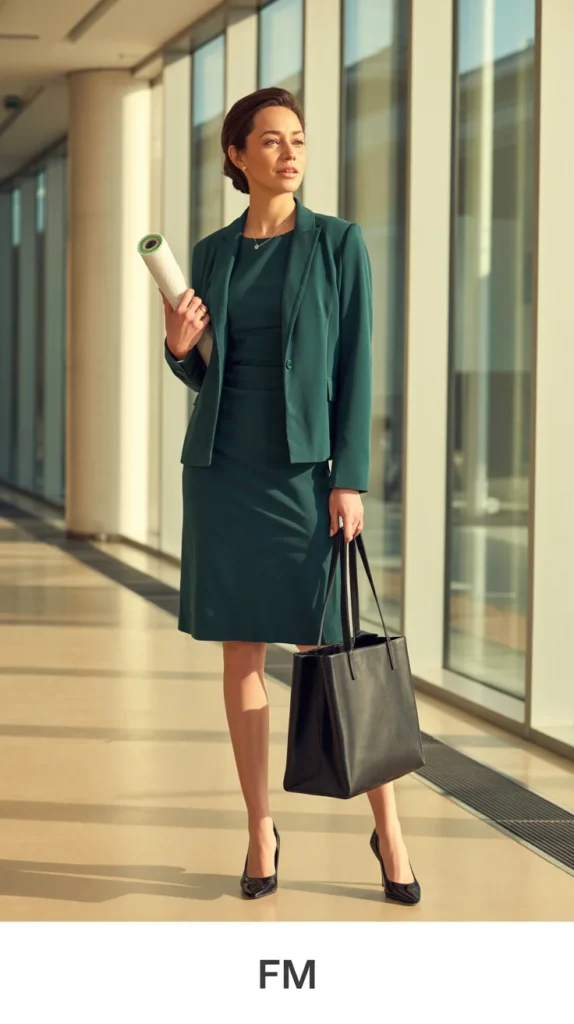
Nothing says “I have my life together” quite like a sheath dress that fits like it was made for you. This silhouette works beautifully for corporate environments, client-facing roles, and any position where polished presentation matters.
The formula: Knee-length sheath dress + coordinating cardigan or blazer + nude or black pumps.
Stick with solid colors or subtle patterns. A deep burgundy or forest green adds personality without screaming for attention.
The beauty of this look? It’s essentially one decision. You pick the dress, add a layer for modesty or temperature control, and you’re done.
Quick takeaway: Keep a lint roller in your bag. Dark dresses show everything, and nobody needs that stress five minutes before walking in.
3. The Smart Casual Statement
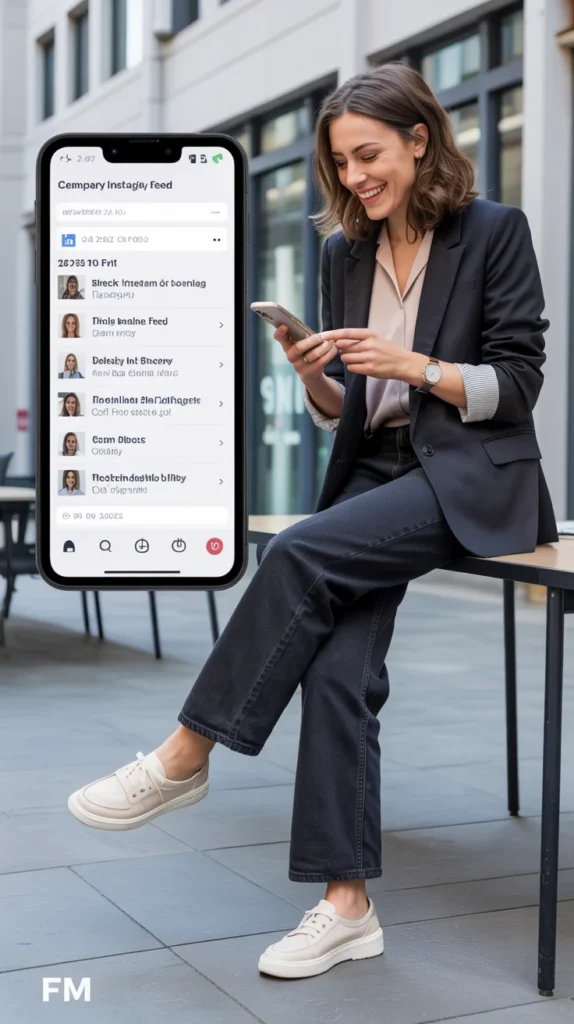
For creative industries, startups, or companies with a more relaxed vibe, the smart casual approach shows you understand their culture while still taking the opportunity seriously. This is where cute office job outfits meet interview-appropriate styling.
The formula: Dark jeans (no rips, no fading) + tucked-in blouse + structured blazer + clean white sneakers or loafers.
This works particularly well in cities like Austin, Portland, or anywhere the tech scene has influenced workplace dress codes. The blazer does the heavy lifting of saying “I’m here for business” while the jeans communicate “I’ll fit right in.”
Try this: When in doubt about whether jeans are appropriate, check the company’s Instagram or LinkedIn photos. Real employees in candid shots tell you way more than any career website ever will. 😊
4. The Elevated Midi Skirt Look
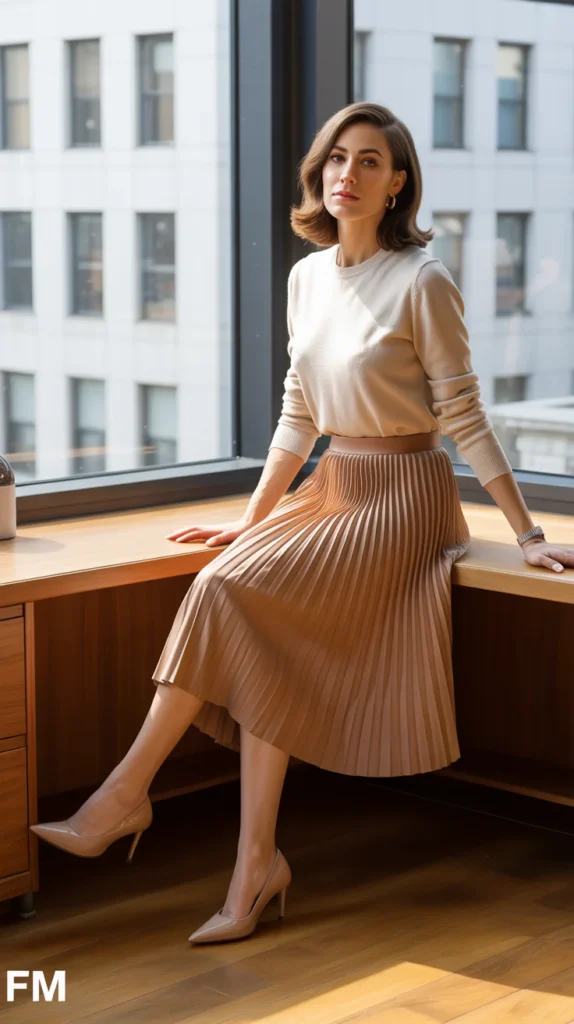
Midi skirts hit that sweet spot between professional and approachable. They’re modest enough for conservative environments but have more personality than standard trousers.
The formula: A-line or pleated midi skirt + fitted sweater or silk blouse + ankle boots or classic pumps.
A camel-colored skirt paired with a cream sweater creates a warm, put-together look that’s perfect for fall interviews. Swap to lighter fabrics and colors as temperatures climb toward that 85°F summer weather.
This outfit photographs beautifully for video interviews too. The defined waistline and vertical lines create a polished silhouette even through a laptop camera.
Pro tip: Practice sitting in your midi skirt before the interview. Some cuts ride up awkwardly, and you don’t want to discover that mid-conversation with your future boss.
5. The Power Suit Moment
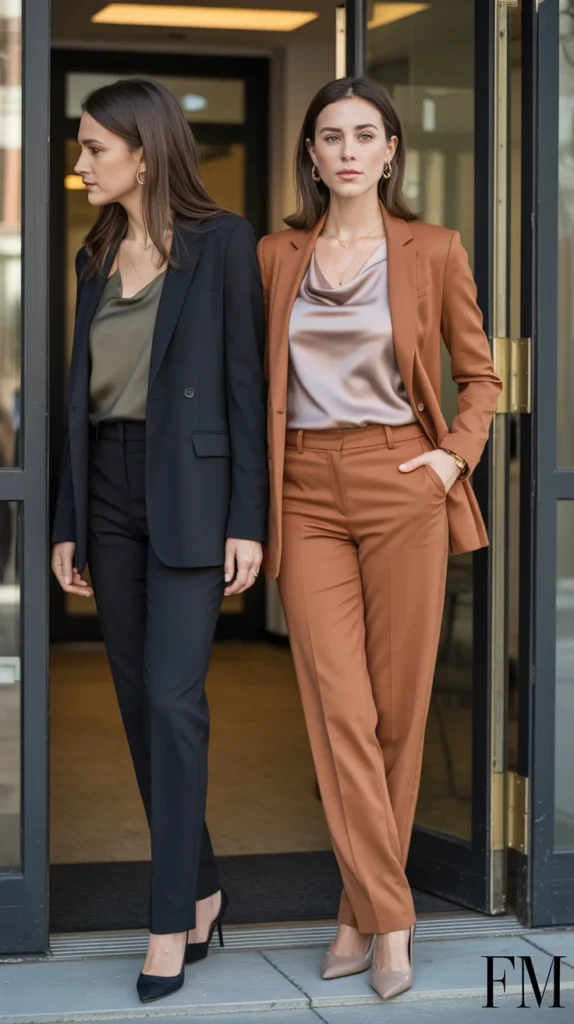
Sometimes you need to walk into a room and own it. The power suit isn’t just for corner office aspirations—it’s for any woman who wants to communicate serious capability.
The formula: Matching blazer and trousers + silk camisole or fitted turtleneck + statement earrings + pointed-toe heels.
Black is classic, but don’t sleep on unexpected colors. A well-fitted rust or olive suit can be just as powerful while showing more personal style.
The investment here is worth it. A quality suit from somewhere like J.Crew or Ann Taylor (typically $180-250 for separates) becomes a workhorse piece you’ll reach for repeatedly—board presentations, client dinners, important Zoom calls.
Quick takeaway: Get the suit tailored. Even a $100 adjustment transforms a good suit into a great one. Most dry cleaners offer basic alterations, or check Yelp for local tailors with solid reviews.
6. The Modern Monochrome
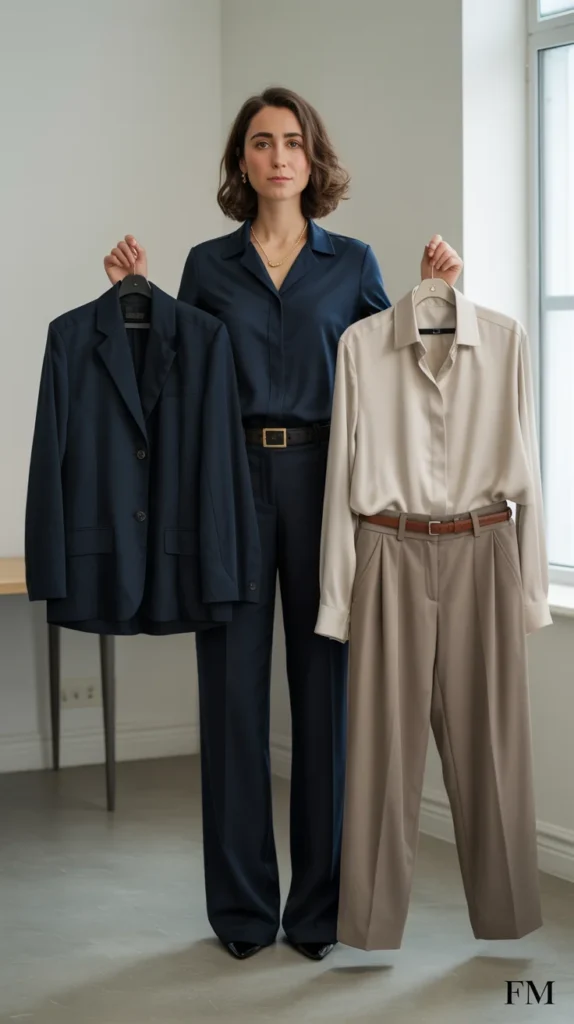
Wearing one color head-to-toe is a styling shortcut that looks incredibly intentional. It elongates your silhouette and communicates that you understand how to put a look together.
The formula: Same-color top and bottom (different textures work great) + contrasting accessories + matching or neutral shoes.
An all-navy look with gold jewelry reads sophisticated. All-cream with brown leather accessories feels fresh and modern. All-black with silver details is forever classic.
The texture mixing is key here. A silk blouse with wool trousers in the same shade creates visual interest without pattern overwhelm.
Try this: Pull everything you’re considering wearing and hold it together in natural light. Colors that look identical in your closet might be slightly different tones—which can read as a mistake rather than a choice. 😊
7. The Comfortable Confidence Look
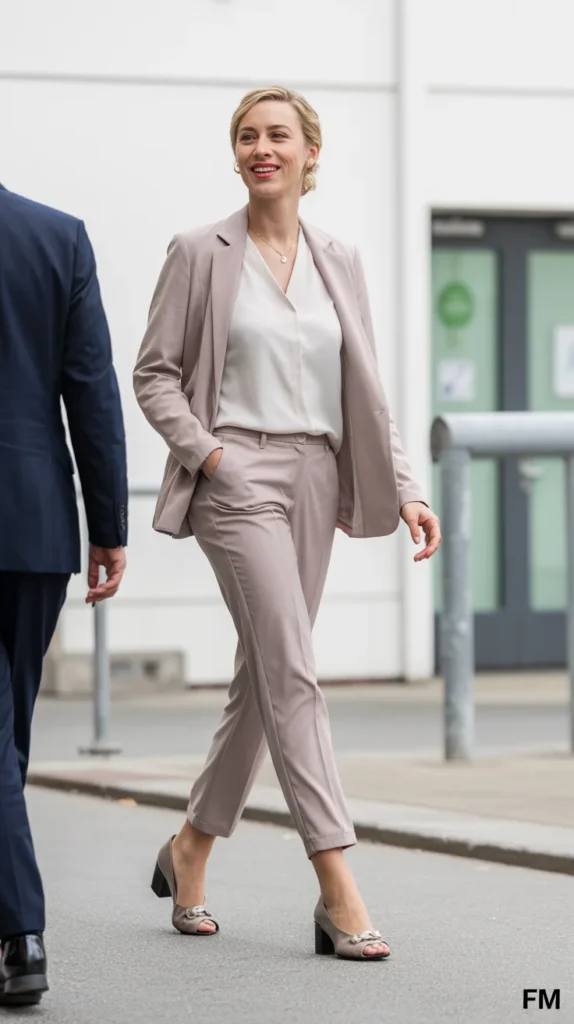
Here’s the truth nobody talks about enough: the best interview outfit is one you can actually focus in. If you’re tugging at a hemline, wincing in tight shoes, or sweating through an unbreathable fabric, your brain isn’t fully on the conversation.
The formula: Stretchy ponte trousers + relaxed-fit blouse + soft blazer or structured cardigan + comfortable block heels or polished flats.
This look prioritizes wearability without sacrificing professionalism. It’s perfect for interviews that involve facility tours, practical demonstrations, or multi-hour panel sessions.
Ponte fabric is your friend—it looks like structured trousers but feels like yoga pants. Old Navy and Target both carry solid options under $40 that don’t pill or lose shape.
Pro tip: Break in your shoes before interview day. A 15-minute walk around the house on two separate occasions usually does the trick without leaving blisters.
What Makes an Interview Outfit Actually Work?
The best interview wardrobe essentials share a few common traits that go beyond just looking nice. Through years of studying hiring trends and professional presentation, I’ve noticed that successful interview outfits typically nail three things: fit, appropriateness, and confidence factor.
Fit matters more than brand names or cost. A $40 blazer that fits your shoulders perfectly will always outperform a $200 designer piece that gaps at the buttons.
Appropriateness means matching the company culture without losing yourself. A tech startup and a law firm have wildly different expectations—and that’s totally okay.
The confidence factor? That’s the outfit that makes you stand taller when you catch your reflection. You know the one. 😊
How Do You Choose the Right Colors for Your Interview?
Color psychology in professional settings isn’t just marketing fluff—it’s backed by actual hiring research. Navy communicates trustworthiness. Black reads as authoritative. Gray suggests sophistication without intimidation.
Warmer tones like burgundy, emerald, and rust work well for creative or client-facing roles where approachability matters. They’re memorable without being distracting.
Avoid anything neon or overly trendy unless you’re interviewing at a fashion-forward company. The goal is for them to remember your answers, not just your outfit.
White and cream are beautiful but risky. Coffee stains happen—especially when you’re nervous and grabbing a Starbucks on the way. If you’re committed to lighter colors, bring a backup or wear a pattern that camouflages accidents. 😊
What Are the Most Common Interview Outfit Mistakes?
After analyzing countless professional presentation tips and hiring manager feedback, a few errors come up repeatedly.
Overdressing for the culture. Showing up in a full suit to a startup where everyone wears hoodies can actually hurt your chances. It signals you might not understand or fit their environment.
Underdressing just as much. The opposite problem. When in doubt, lean slightly more formal than you think necessary.
Ignoring fit for brand names. A perfectly fitted outfit from Target beats an ill-fitting designer piece every time. Hiring managers don’t check labels.
Forgetting the camera frame. For video interviews, everything above your desk matters most. That gorgeous statement necklace? Probably hidden. Those wrinkled sleeves? Definitely visible.
Wearing something brand new. Tags removed doesn’t mean comfortable. That blazer might pull weird or that fabric might be itchier than expected.
Quick takeaway: Do a full dress rehearsal. Sit down, stand up, reach for something, check yourself on camera. Five minutes of testing saves interview-day surprises.
What About Accessories and Final Touches?
Accessories are where personality meets professionalism. The right choices elevate a simple outfit into interview outfits women actually feel excited to wear.
Jewelry: Keep it minimal. One statement piece maximum—either earrings OR a necklace, not both competing for attention. Avoid anything that makes noise when you move.
Bags: A structured tote or portfolio bag in leather or quality faux leather works universally. Make sure it fits your resume, a notebook, and your phone without bulging.
Watches: A clean, simple watch reads as professional and prepared. Skip fitness trackers unless they’re sleek enough to pass as regular jewelry.
Scarves: A silk scarf can add polish to a simple outfit. Just practice tying it beforehand so you’re not fumbling in the parking lot.
Hair and makeup: Whatever makes you feel like yourself, but polished. If you normally wear bold lipstick, wear it. If you’re more natural, stay that way. Authenticity beats transformation.
Pulling It All Together
The best job interview outfit for women isn’t about following rigid rules—it’s about finding the intersection of professional appropriateness and personal confidence. When you feel good in what you’re wearing, that energy shows.
Remember the formula: Fit + Culture Match + Confidence = Interview Outfit Success
Start with one or two versatile pieces and build from there. That navy blazer works with trousers, dresses, and jeans depending on the situation. Those well-fitted black trousers pair with everything from silk blouses to structured sweaters.
Your interview wardrobe essentials should feel like a toolkit, not a costume closet. Each piece should earn its space by working hard across multiple scenarios.
Most importantly? Get dressed early on interview day. Give yourself time to adjust, swap pieces if something feels off, and arrive feeling prepared rather than rushed.
You’ve got this 😊